

The best time to visit Egypt is between October and April, when daytime temperatures settle into a comfortable range across Cairo, Luxor, and Aswan, making it far easier to spend hours walking around the Pyramids of Giza or exploring open-air temple complexes.
That said, “best” really depends on what you’re planning: divers head to the Red Sea in the height of summer for the calmest underwater conditions, budget travelers target July and August for the lowest prices, and photographers often prefer the shoulder seasons in spring and autumn, when the light along the Nile River is at its softest and the crowds have thinned out.
This guide breaks down Egypt’s weather and travel seasons month by month, then looks at the best time to visit Egypt based on what you actually want to do — sightseeing, diving, desert adventures, or stretching a budget as far as it will go.
Along the way, we’ll flag the events, festivals, and destination-specific quirks that are easy to miss when you’re just checking a general Egypt weather forecast.
Climate Averages for 2026/2027: Egypt Climate Guide
Egypt has a desert climate: long, sunny days, very little rainfall, and a wide temperature swing between summer and winter. The table below shows average temperatures across the country, useful as a baseline before diving into month-by-month specifics.
Cairo Climate
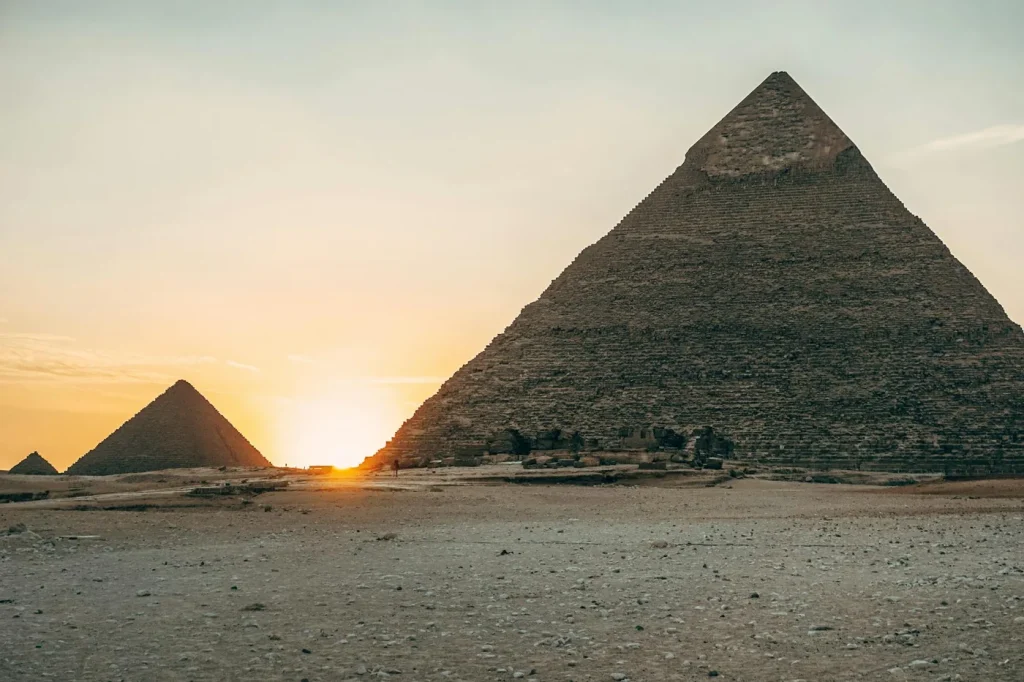
Cairo ranges from a mild 66°F (19°C) in January up to roughly 93°F (34°C) in July and August. Spring and autumn sit comfortably in the mid-70s to low-80s Fahrenheit, making Cairo’s shoulder seasons especially pleasant for walking tours of the city and the nearby Giza plateau.
Luxor Climate
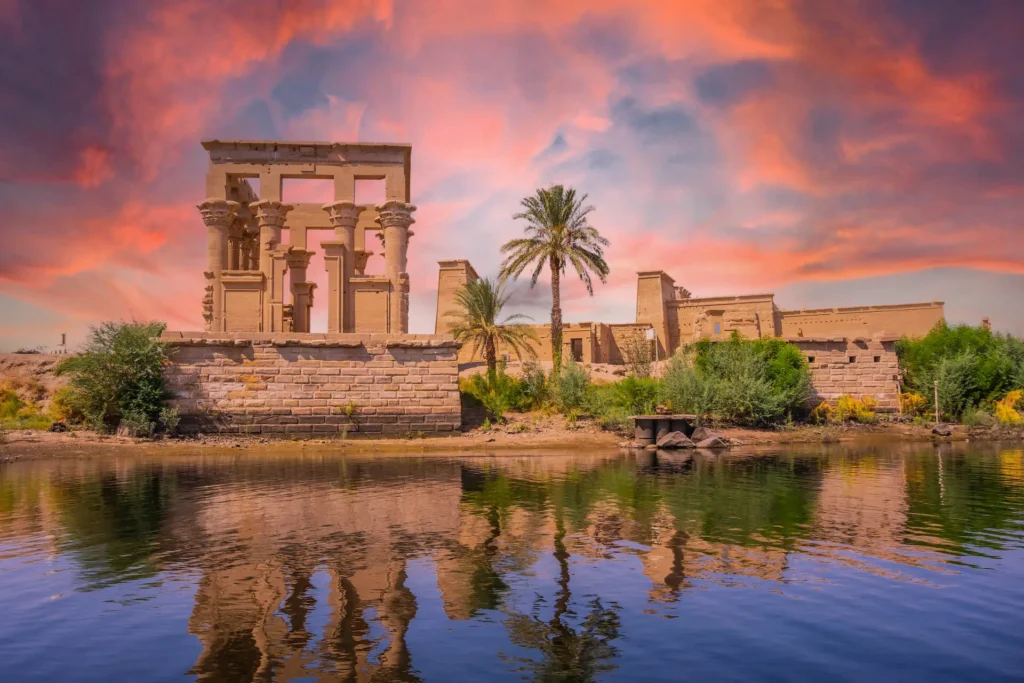
Luxor is significantly hotter than northern Egypt, starting around 73°F (23°C) in January and climbing to a scorching 106°F (41°C) by July and August. This wide swing is exactly why the shoulder seasons (spring and autumn) are so strongly recommended for exploring Luxor’s temples and tombs on foot.
Aswan Climate
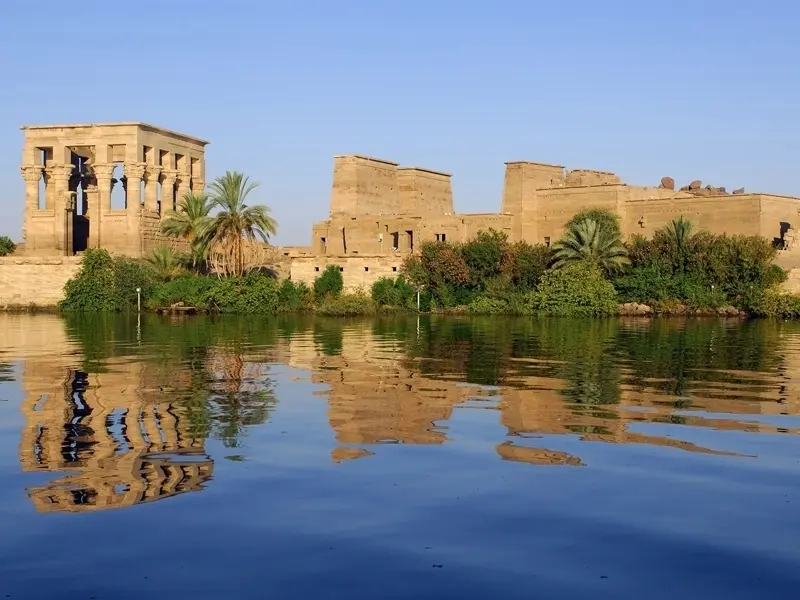
Aswan is Egypt’s hottest major city, with January averages around 75°F (24°C) rising to a peak of roughly 108°F (42°C) in June through August. Winter is by far the most comfortable time to visit, with warm days and mild evenings before spring winds pick up.
Know more: Things to See & Do in Aswan
Alexandria Climate
As Egypt’s main Mediterranean coastal city, Alexandria Attractions runs slightly cooler than Cairo year-round, from around 64°F (18°C) in January to a peak near 86°F (30°C) in July and August. Sea breezes keep even the hottest months more bearable here than inland.
Best Time to Visit Egypt Month by Month
Visiting Egypt in January – March
Early in the year, Egypt is sunny and comfortably warm, with only the occasional light rain in Cairo or Alexandria. This falls squarely within peak season, so expect busier hotels, Nile cruises, and archaeological sites, particularly around the New Year period.
The West Bank Marathon in Luxor, typically held in late January or early February, draws runners along the banks of the Nile against a backdrop of ancient temples worth checking dates for if you’re planning a Luxor trip.
Visiting Egypt in April – May
Temperatures climb but remain generally pleasant, making this one of the most popular windows to travel to Egypt. Watch for the khamsin, a hot, sand-laden wind that can sweep through for a few days sometime during April or May. It rarely causes major disruption, but it’s worth building a spare day or two into your itinerary just in case.
Easter is one of the busiest travel periods of the year in Egypt, with prices rising accordingly, partly due to Sham el-Nessim a Coptic spring festival with roots in ancient Pharaonic celebrations, marked by picnics in parks and along riverbanks across the country.
Visiting Egypt in June
June marks the start of summer heat, though temperatures haven’t yet hit their peak. It’s a solid option if you don’t mind warmer days, since prices drop noticeably compared to the cooler months, and popular sites are far less crowded.
Visiting Egypt in July – August
This is peak summer, and daytime temperatures in Luxor and Aswan regularly push past 104°F (40°C). Air-conditioned hotels, swimming pools, and Nile cruises make the heat manageable, and far fewer travelers visit during these months meaning shorter lines and quieter photos at major monuments.
Visiting temples early in the morning, before the midday heat sets in, is the standard strategy locals and guides use to make the most of a summer trip.
Visiting Egypt in September
September’s weather closely resembles June still hot, but softened somewhat by coastal breezes with prices generally lower than the October-to-May peak season.
It’s one of the better times to visit the Red Sea coast specifically, since you’ll avoid both school-vacation crowds and the busier autumn-winter rush.
Visiting Egypt in October – December
Cooler winter weather arrives, and it’s an ideal window for exploring Egypt’s cultural sites comfortably but it’s also the busiest stretch of the year.
Around Christmas and New Year, hotel and cruise rates rise sharply and cabins book out well in advance, so plan early if you’re targeting this window.
Read More about: Is It Safe to Travel to Egypt Right Now?
Best Time to Visit Egypt by Activities
Best Months to Avoid the Crowds
March, April, May, and September are generally the best months to visit Egypt if you want to skip the heaviest crowds without dealing with summer’s most extreme heat. Shoulder-season travel tends to combine lighter crowds at major monuments with better accommodation rates, and it’s a strong window for diving too.
The Nile’s light is especially soft and clear during these months, which photographers heading to Luxor and Aswan will appreciate. If you’re traveling with young kids or are especially heat-sensitive, lean toward March, April, late September, or October rather than the hotter edges of May or September.
Best Time to Go Diving in Egypt
June through August is generally considered the best time to go diving in Egypt, when the Red Sea coast around Sharm El Sheikh sees its calmest, warmest water and best underwater visibility.
Divers are typically willing to trade brutal daytime heat on land sites like Luxor’s temples open as early as 6am to help visitors beat the sun for excellent conditions beneath the surface.
That said, diving in Egypt is possible year-round; even winter offers good visibility, though boat dives can get choppy around December, while shore dives generally stay manageable.
Check our trip:
Best for Outdoor Adventures and Visiting Ancient Sites
October through February is the strongest window for outdoor adventures and sightseeing at Egypt’s ancient sites.
Clear skies and comfortable daytime temperatures make long days exploring Luxor’s temples and tombs genuinely enjoyable rather than exhausting, and it’s also peak season for heading into the Sinai or the Western Desert for hiking, camel trekking, or learning to dive along the Red Sea coast.
Cairo cools down enough in November for long walks through its markets and mosques, though evenings can get colder than visitors expect, so pack a layer.
Traveling in Egypt During Ramadan
Ramadan dates shift each year, since they follow the Islamic lunar calendar. During this month, tourist sites, shops, and services often keep shorter hours, and many local restaurants only open after sunset.
Non-Muslim visitors aren’t expected to fast, but it’s respectful to be discreet in public avoid eating, drinking, or smoking openly on the street during daylight hours as a courtesy to those observing the fast.
Best Time to Visit Egypt by Places
Pyramids of Giza in Spring
Mild temperatures and a light breeze make spring one of the best times to visit the Pyramids of Giza. With daytime highs often hovering around 80°F (27°C), it’s comfortable enough to walk the full complex of the Great Pyramid, its neighboring pyramids, and the short walk to the Great Sphinx without the punishing heat of summer. Sun protection is still essential even at these milder temperatures, since the desert sun is intense year-round.
Egypt’s Oldest Festival: April–May
Spring in Egypt brings the scent of jasmine and the start of strawberry season, along with Sham el-Nessim one of the country’s oldest surviving festivals, celebrated on the Monday after Orthodox Easter.
Families head outdoors for picnics in parks, eat traditional foods associated with the holiday, and often dye and decorate eggs in a tradition with visible parallels to Easter customs elsewhere.
If your trip lines up with this date, it’s a genuinely local cultural experience layered on top of the usual sightseeing.
Go on a Desert Safari in Autumn
October is widely considered the best month for 4×4 desert safaris through Egypt’s White and Black Deserts, where mild autumn temperatures make hours of off-road exploring genuinely comfortable rather than punishing.
Many oasis towns also host fall harvest festivals around this time, adding a cultural layer to what’s otherwise a purely scenic adventure.
Visit the Abu Simbel Temple in October
October is a particularly good time to visit the Abu Simbel temples, both for cooler travel conditions and for the Sun Festival on October 22 one of only two days each year when sunlight aligns perfectly to illuminate statues deep inside the temple’s inner chamber.
Even outside the festival date, the comfortable autumn weather makes the journey south along the Nile toward Lake Nasser considerably more pleasant than in peak summer.
Cruise Down the Nile River in Winter
Winter is peak Nile cruise season, and for good reason: while northern Egypt cools down, the southern stretch of the Nile between Luxor and Aswan stays comfortably warm, ideal for spending days on deck watching the shift from desert cliffs to lush riverside farmland.
The trade-off is cost, the combination of ideal weather and the Christmas and New Year holidays makes December the most expensive month for a Nile cruise, so early booking pays off.
Know more about: Best Nile River Cruises in Egypt
Travel to Egypt on a Budget (July or August)
Budget-conscious travelers get the best value visiting Egypt in July or August, the off-season when flights and hotel rates drop noticeably.
August in particular tends to be the cheapest month to visit Egypt overall, precisely because the heat keeps crowds away from major sites.
If you can manage the temperatures sticking to early mornings and air-conditioned breaks midday a summer trip stretches a travel budget considerably further, leaving room to add extra destinations to your itinerary.
Why You’ll Love Traveling to Egypt With EgyptianTrips
Timing your trip well is only half the picture; the other half is having a team on the ground who knows how to work around Egypt’s seasons rather than just around a calendar date.
At EgyptianTrips, we build every itinerary around the realities of the season you’re traveling in: earlier start times and air-conditioned transport in summer, extra buffer days during khamsin season in spring, and priority booking for Nile cruise cabins during the busy winter months when availability disappears fast.
Whether you’re chasing the best diving conditions on the Red Sea, planning around Sham el-Nessim, or simply looking for the cheapest month to see the Pyramids of Giza without the crowds, our English-speaking Egyptologist guides and flexible tour packages are built to match the season not fight against it.
What travelers say about EgyptianTrips
Perfect and highly recommended ⭐️⭐️⭐️⭐️⭐️
A very great travel company 👍🏻👍🏻👍🏻 Very competent, polite, nice and courteous. All our wishes were fulfilled perfectly. Just great, we can only recommend!! The tours are great, we have seen and gotten to know a lot and always had our super guide with us 👏🏻😃
Thanks again to Hassan.
Jenny H
Used them 2x & both trips were excellent!
We had a fantastic time. Mohamed, his drivers and his tour guides were knowledgeable and friendly. We felt safe our entire time in Cairo.
They did all of the work planning our tours and getting tickets ready. There was always an air conditioned car and cold water ready for us. They did such a great job that we went back a second time and Mohamed prepared everything for us again.
His prices were reasonable too.
Check More TripAdvisor Reviews: EgyptianTrips Review
FAQ
What is the best time to visit Egypt overall?
October through April is generally considered the best time to visit Egypt, when temperatures are cooler and more comfortable for sightseeing, though it’s also the busiest and most expensive period.
What is the cheapest month to visit Egypt?
August is typically the cheapest month to visit Egypt, since the extreme summer heat keeps prices for flights and hotels low and crowds thin at major sites.
When is the best time to visit Cairo, Egypt?
October through December is generally the best time to visit Cairo, offering cooler daytime temperatures and refreshing evenings, though this period is also busier than the summer months.
When is the best time to visit Luxor, Egypt?
The shoulder seasons March to April and October to November are the best time to visit Luxor, with daytime temperatures rarely exceeding the mid-80s Fahrenheit, ideal for exploring temples and tombs on foot.
When is the best time to visit Aswan, Egypt?
Winter is the best time to visit Aswan, with warm days and mild evenings before the khamsin winds pick up in spring and occasionally trigger sandstorms.
What is the best time to go diving in the Red Sea?
June through August offers the calmest water and best underwater visibility for diving in the Red Sea, though diving in Egypt is possible year-round with generally good conditions.
Is Egypt very hot in the summer?
Yes summer temperatures in southern cities like Luxor and Aswan regularly exceed 104°F (40°C), though the Red Sea coast stays somewhat cooler thanks to sea breezes, and many travelers manage the heat with early starts and air-conditioned breaks.