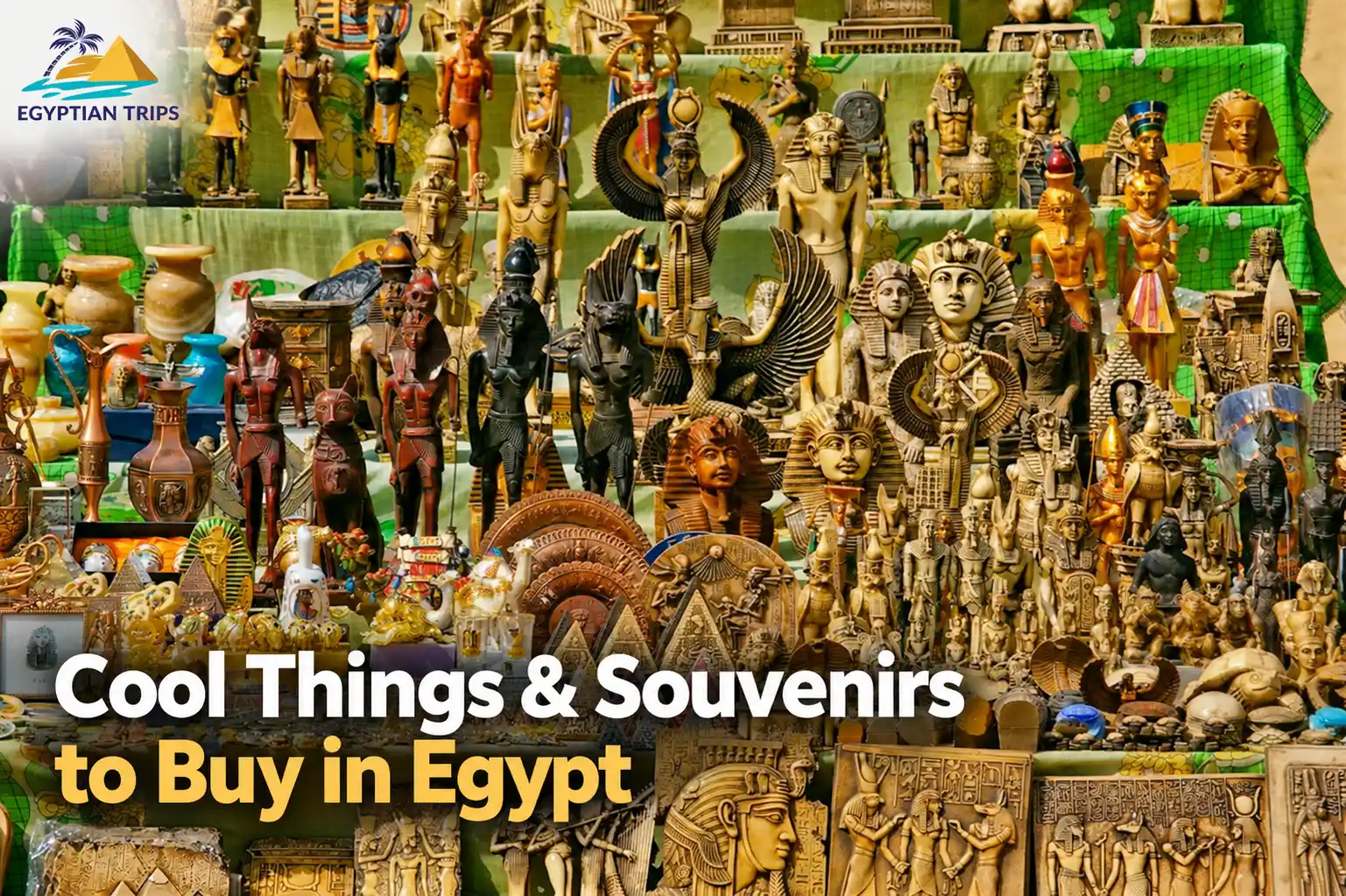
Egypt’s markets are some of the most atmospheric places in the world to shop. They are also easy to get wrong.
Rows of near-identical papyrus, alabaster and silver cartouches make it hard to tell what is handmade and what was imported, and what is a fair price and what is a tourist markup.
This guide covers the best souvenirs from Egypt in detail: what each item is, how to spot the genuine version, where to buy it, and how to get it home.
It also covers what is genuinely cheaper in Egypt, the best places to shop city by city, and the rules on what you can legally take away.
The Best and Cheapest Things to Buy in Egypt
Egypt’s best value comes from locally produced goods: traditional crafts, spices, textiles and jewellery priced by weight.
These items usually cost far less than in Western shops, especially in local souks where bargaining is expected.
| Souvenir | What it is | Budget level | Best place to buy |
|---|---|---|---|
| Spices and dukkah | Cumin, coriander, cardamom and nutty dukkah blends | Low | Khan el-Khalili, Aswan souk, supermarkets |
| Karkadeh (hibiscus tea) | Dried ruby-red flowers for a tart, refreshing tea | Low | Supermarkets, Aswan and Cairo spice shops |
| Perfume oils | Alcohol-free lotus, jasmine, musk and amber oils | Low to mid | Cairo and Luxor perfume shops |
| Papyrus art | Hand-painted scrolls and bookmarks | Low to mid | Cairo, Luxor, workshops |
| Cartouche jewellery | Gold or silver pendants with your name in hieroglyphs | Mid to high | Khan el-Khalili, jewellers across Egypt |
| Egyptian cotton | Sheets, towels, scarves and galabeya tunics | Mid | Cairo shops, Akhmim weavers |
| Alabaster carvings | Hand-carved bowls, vases and replicas | Low to mid | Luxor (Gurna), Aswan |
| Khayamiya appliqué | Hand-stitched tent-cloth cushions and wall hangings | Mid | Tentmakers Market, Cairo |
| Fayoum pottery | Bold ceramics with palm, bird and geometric patterns | Low to mid | Tunis Village, Fayoum |
| Dates and sweets | Siwa and majhoul dates, fruit rolls | Low | Supermarkets, Siwa Oasis |
Where to Buy Souvenirs in Egypt
Where you shop affects both price and authenticity. Egypt offers four main options.
- Souks and bazaars: Khan el-Khalili in Cairo, plus the markets of Luxor and Aswan, have the widest choice and the most atmosphere. Prices start high, so expect to negotiate.
- Workshops: Visiting an alabaster, papyrus or pottery workshop directly is the best way to see items made and avoid mass-produced imports.
- Fixed-price and fair-trade shops: Fair Trade Egypt has branches in Zamalek and Heliopolis, and shops like it suit travellers who dislike haggling or want original designs made by Egyptian artisans.
- Supermarkets and neighbourhood shops: These are best for spices, hibiscus, dates and coffee at fixed local prices. Packaged goods also travel better.
The Best Souvenirs from Egypt, Item by Item
Papyrus Art
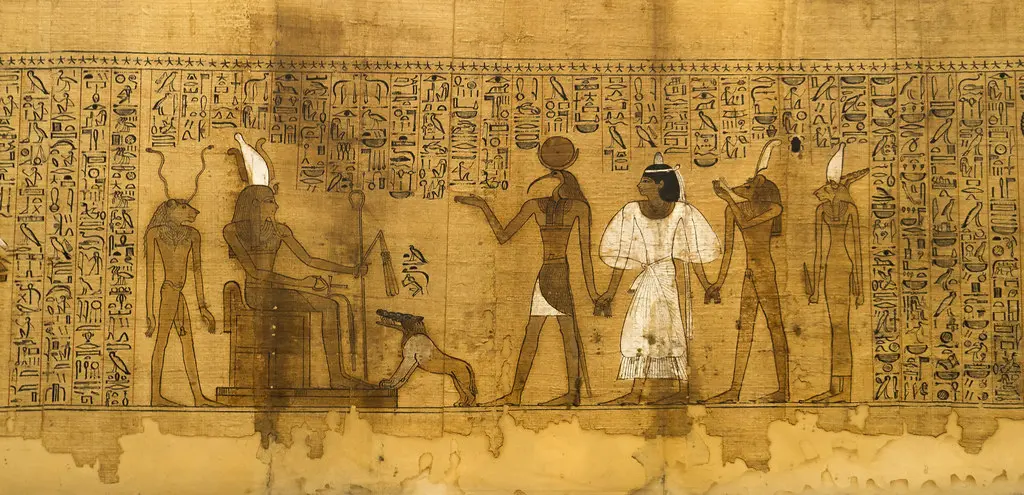
What it is. Papyrus is the paper-like material the ancient Egyptians made from the pith of the papyrus plant. Thin strips are laid in two crossing layers, pressed and dried into sheets, then painted. Souvenirs include scrolls, bookmarks, framed pictures and personalised hieroglyphic name pieces.
Why it makes a good souvenir. It is light, flat, cheap to ship and instantly recognisable as Egyptian. A small papyrus piece is one of the easiest gifts to fit in a suitcase.
How to spot the real thing.
- Real papyrus is flexible and does not crack when gently bent.
- Hold it to the light. You should see a crisscross fibre pattern, with slight natural variation.
- Stiff, perfectly uniform sheets are often banana-leaf imitations, which can be brittle and crack when folded.
- Look for brush strokes. Printed designs look flat and show a dot pattern up close.
Tips. Buy from a workshop where you can watch the sheets being made, and carry the piece home in a rigid tube or flat between cardboard. Smaller pieces are the cheapest, while large hand-painted scenes cost noticeably more.
Cartouche Jewellery and Ancient Egyptian Symbols
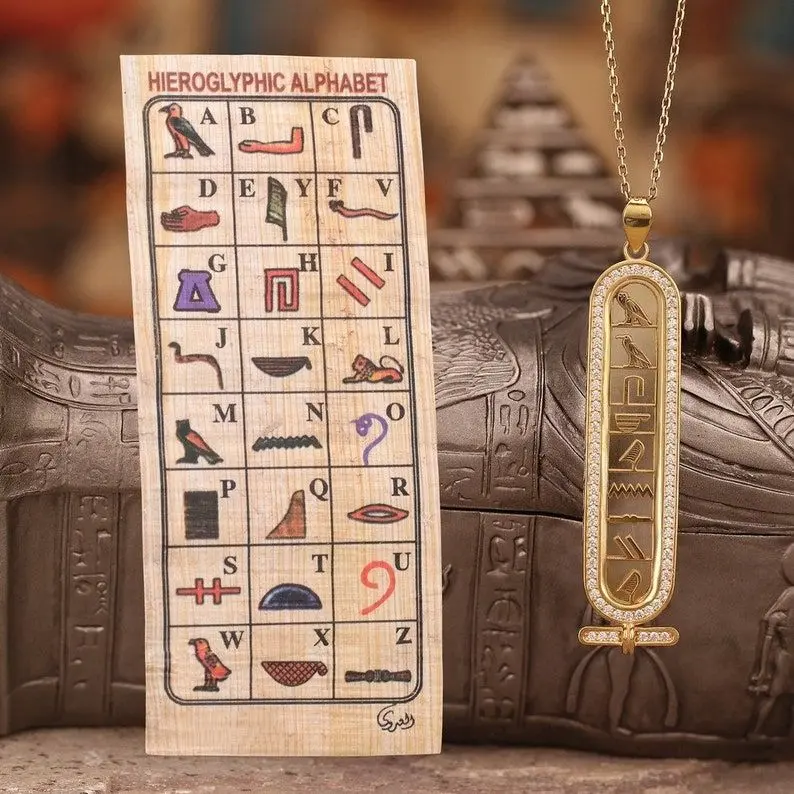
What it is. A cartouche is the oval, rope-bordered frame that enclosed the name of a pharaoh. Today, jewellers write your name phonetically in hieroglyphs and engrave it on a gold or silver pendant, ring or bracelet.
Hieroglyphs represent sounds rather than letters, so the artisan will usually spell your name by sound.
Other popular symbols.
1. Ankh: the symbol of life.
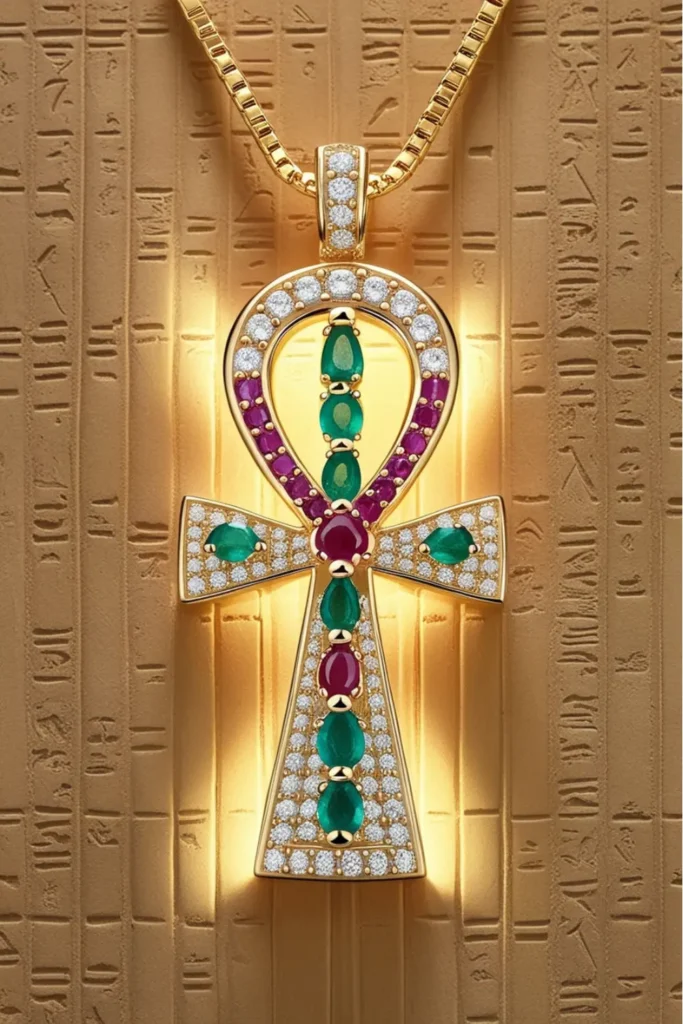
- Eye of Horus: protection and good health.
- Scarab: renewal and rebirth.
These appear on necklaces, tote bags and keyrings, but the quality varies enormously.
How to buy well.
- Ask for the metal’s purity (18 or 21 karat gold is common in Egypt, and silver is often stamped 925) and look for a hallmark.
- Ask for the weight. Gold is generally priced by weight plus a charge for workmanship, so compare the quote with that day’s metal price.
- Check the hieroglyphs against a reliable reference if accuracy matters to you.
- A custom cartouche can take from under an hour to a day or two, so order early in your trip.
Best for. Gifts with personal meaning, and one of the few souvenirs that holds real material value.
Alabaster and Stone Carvings
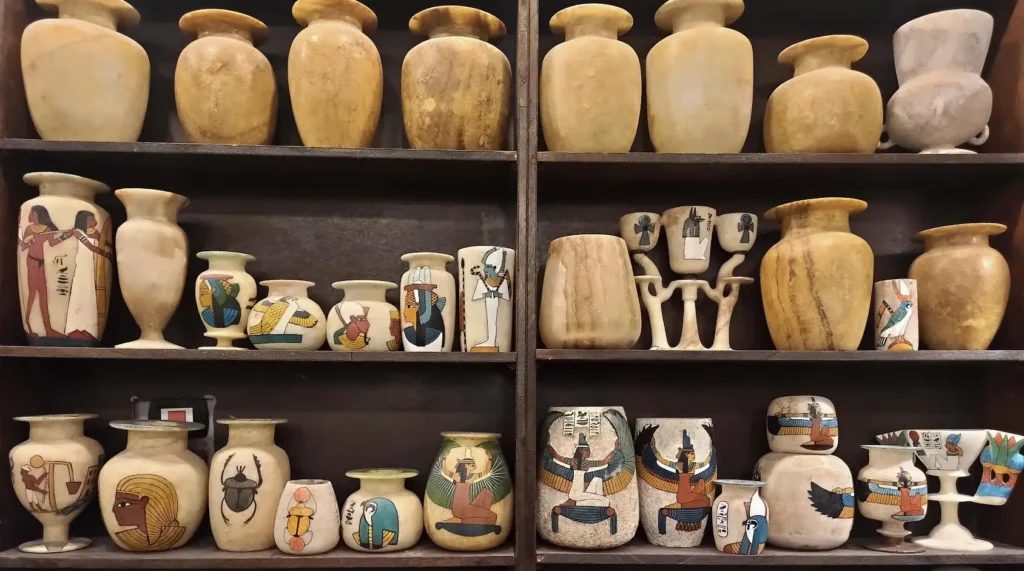
What it is. Egyptian alabaster is a soft, translucent stone that is easy to carve.
Workshops produce vases, bowls, lamps, small statues, animal figures and replicas of ancient objects such as canopic jars and cosmetic spoons.
Where to buy. Luxor is the main centre, especially the workshops of Gurna on the West Bank, and Aswan also has strong stone-carving traditions.
Buying at a workshop is usually cheaper than in Cairo, and you can watch the carving.
How to spot the real thing.
- Genuine alabaster feels cool and heavy, and light glows softly through thin edges.
- Plastic and resin copies feel light, warm and uniformly opaque.
- Real stone has slight natural veining and small variations between pieces.
Tips. Alabaster is fragile and heavy. Have it wrapped well and pack it in your carry-on or padded checked luggage. If space or weight is tight, choose a small bowl rather than a vase.
Khayamiya (Tentmaker) Appliqué
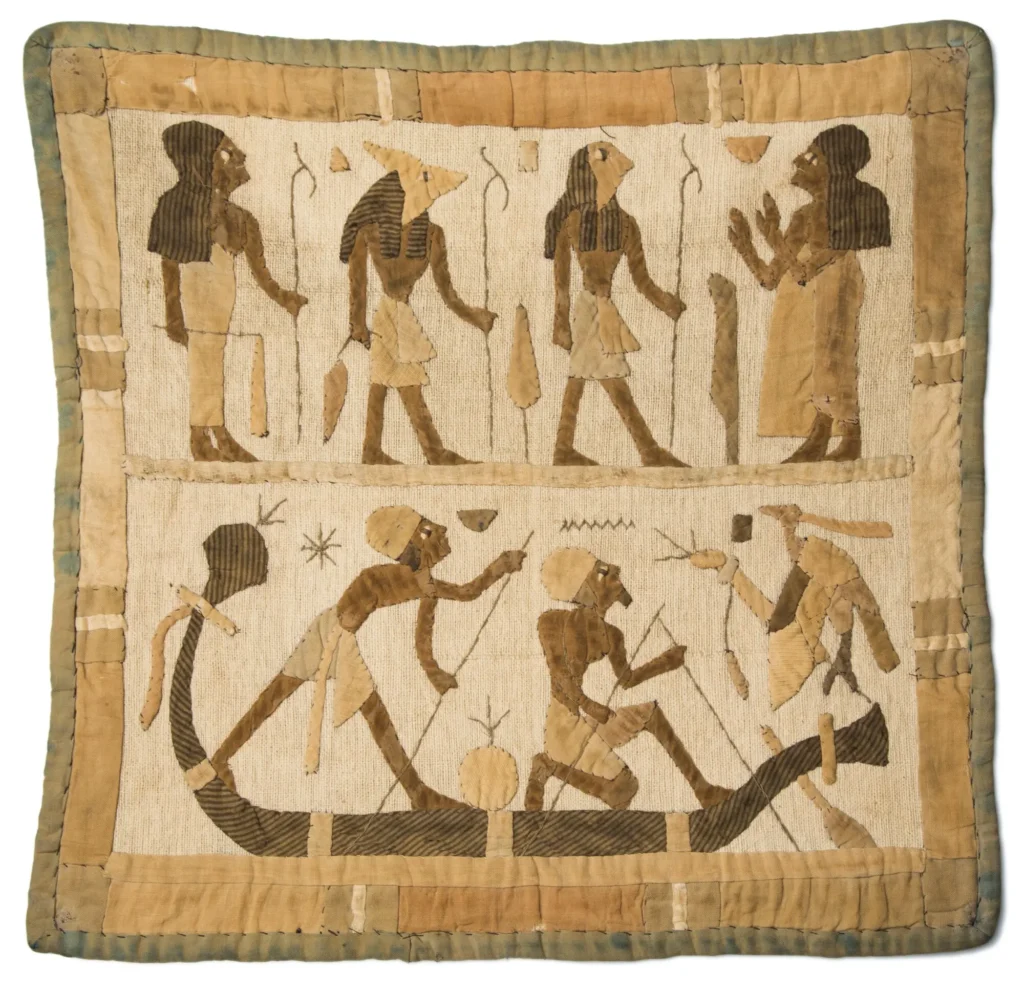
What it is. Khayamiya is vibrant cotton appliqué traditionally used to line festival and ceremonial tents. Artisans stitch layered fabric into geometric and calligraphic patterns.
Souvenirs include cushion covers, wall hangings, bags and table runners.
Where to buy. The Tentmakers Market on Moez Street in Islamic Cairo is the best-known source.
Read More: Egyptian Clothing
What to check.
- Turn the piece over. Neat, even hand stitching on the back is a good sign.
- Machine-printed imitations look flat, with no raised layers or stitching.
- Hand-stitched work takes days or weeks, so low prices on large pieces should make you cautious.
Why it works as a souvenir. It is lightweight, folds flat, and is a genuinely traditional Cairo craft rather than a generic tourist trinket.
Egyptian Cotton: Sheets, Towels, Scarves and Galabeyas
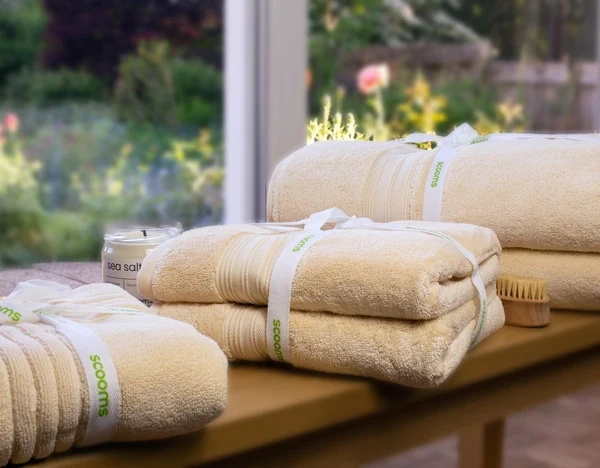
What it is. Egypt is famous for long-staple cotton, which produces soft, strong and durable fabric. Souvenirs include bed sheets, towels, scarves, shirts and the traditional loose galabeya tunic.
How to buy well.
- The label “Egyptian cotton” is widely used and sometimes misused.
- Buy from reputable shops and look for certification marks where available.
- Feel the fabric and inspect the weave.
- Thin, scratchy or very loose fabric is a warning sign.
- Akhmim in Upper Egypt has a long weaving tradition and is known for sturdy, patterned textiles such as throws and sheets.
Best for. Practical gifts that people use every day, especially scarves, which pack easily.
Perfume Oils and Essential Oils
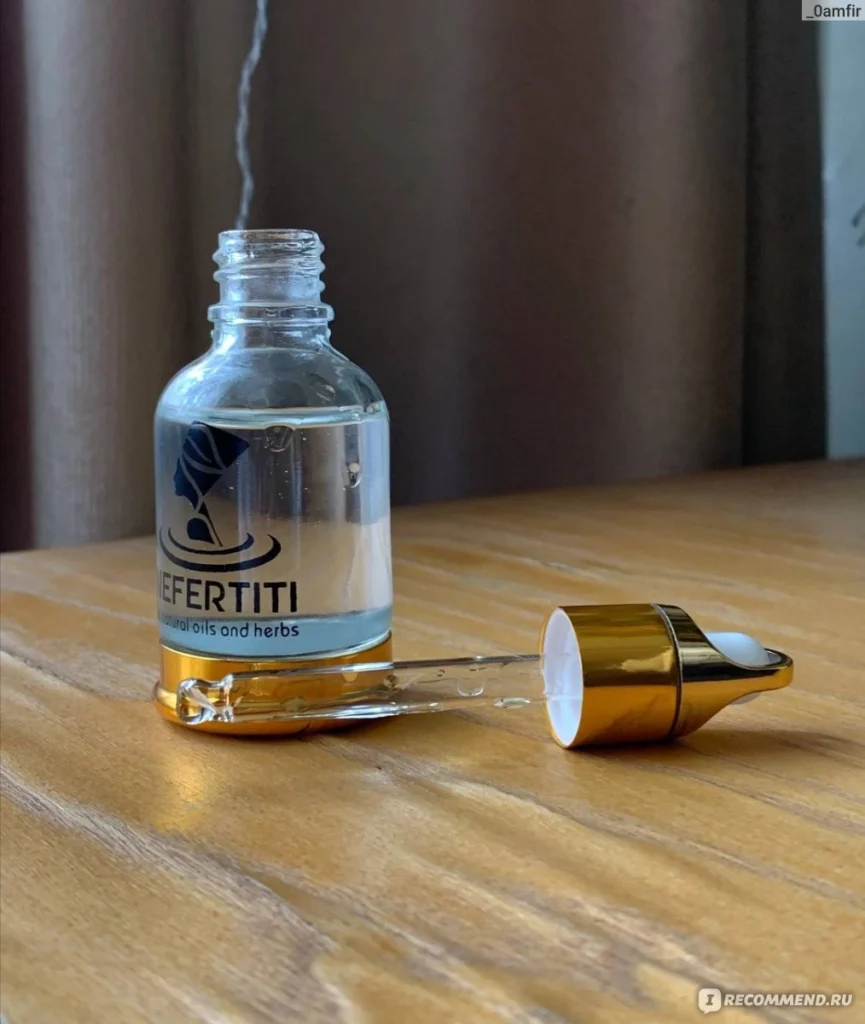
What they are. Egyptian perfume oils are concentrated, alcohol-free fragrances sold in small glass bottles. Traditional scents include lotus, jasmine, musk, amber, rose and oud. Many shops blend custom scents.
How to buy well.
- Test on your skin and let the scent develop for a few minutes. Oils change as they warm.
- Prices vary a lot between souvenir shops and neighbourhood perfumers, so compare.
- Choose a sealed bottle or have it sealed in front of you.
Packing. Liquids are restricted in carry-on luggage. Pack oils in checked bags with the cap taped and the bottle wrapped in a sealed plastic bag.
Spices, Dukkah and Karkadeh
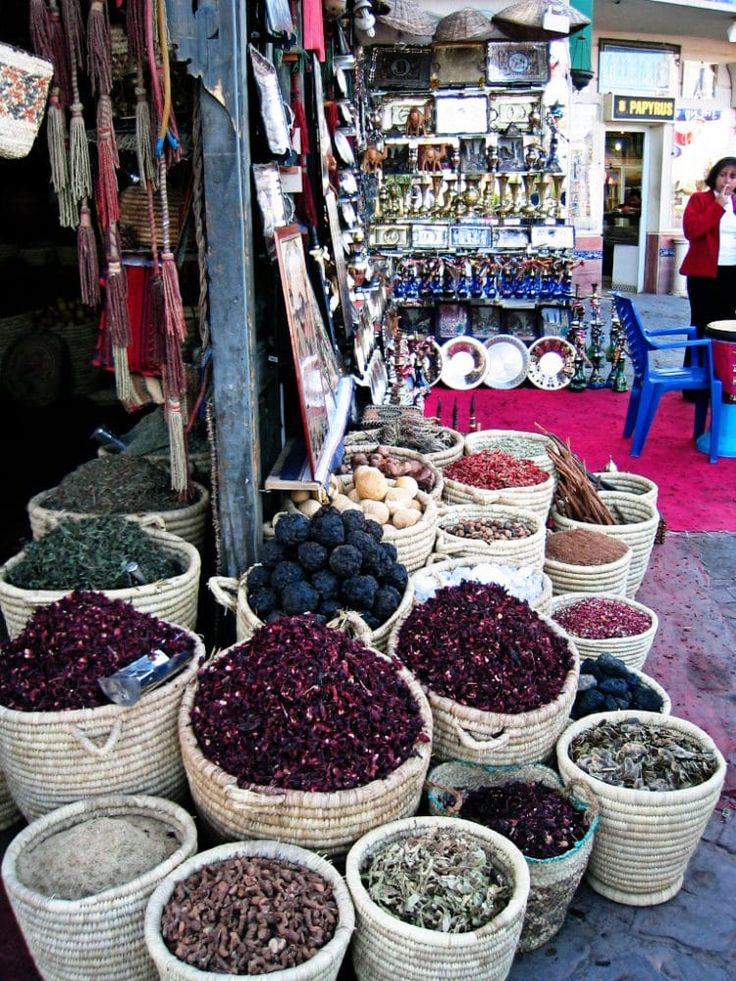
What they are. Spice shops sell cumin, coriander, cardamom, cinnamon, saffron and dukkah, a dry blend of nuts, seeds and spices used with bread and oil.
Karkadeh is dried hibiscus, brewed hot or cold as a ruby-red, tart tea that is popular across Egypt.
How to buy well.
- Choose busy shops with high turnover, and smell before you buy.
- Be careful with saffron, which is often faked. Buy small amounts from a reliable seller.
- Supermarkets offer fixed prices and sealed packaging, which makes them ideal for gifts.
Customs warning. Spices and other food products may be restricted or need to be declared when you return to Australia or the US, so check before you pack them.
Dates, Sweets and Coffee
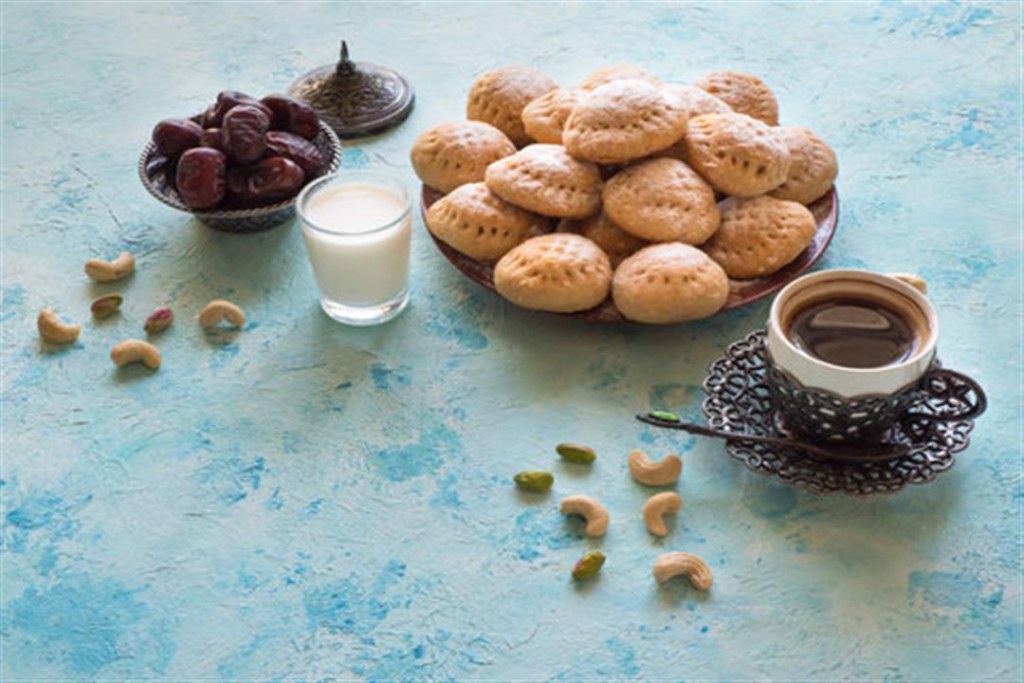
What they are. Siwa Oasis dates and majhoul dates are prized, and shops also sell fruit rolls and cardamom-flavoured Turkish coffee. These are some of the cheapest gifts in Egypt.
Tips. Buy sealed packs from supermarkets or Siwa traders, and confirm your home country’s rules on importing fruit and dried fruit before you buy.
Fayoum Pottery
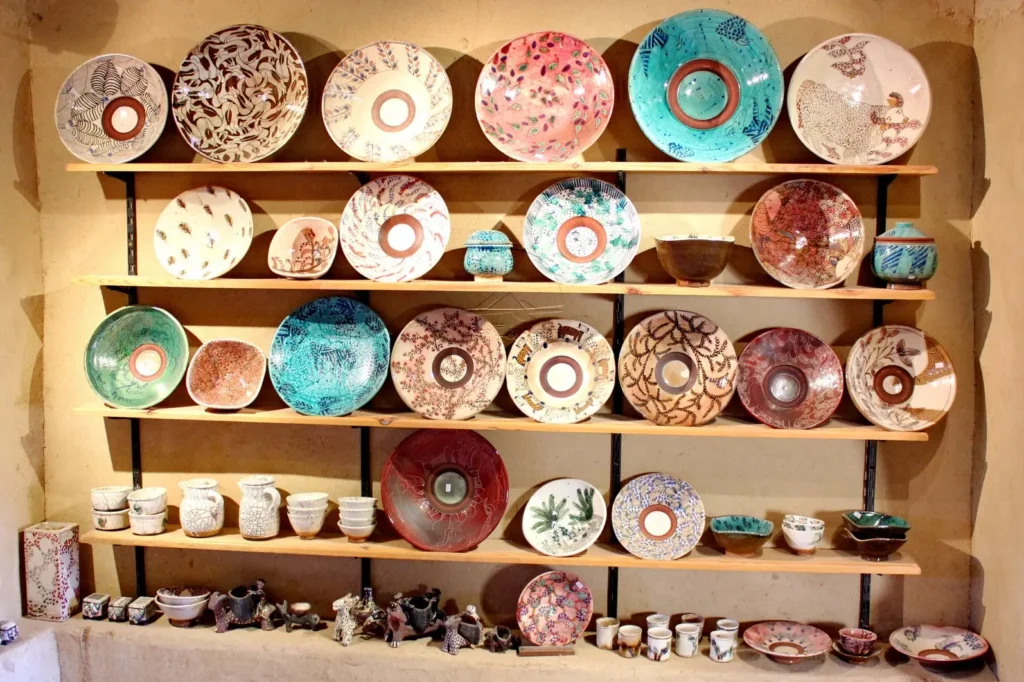
What it is. Handmade ceramics with bold palm, bird and geometric patterns, associated with Tunis Village in the Fayoum oasis. Pieces range from small bowls to large vases.
Tips. Buy at a pottery workshop where you can meet the maker, and check the base and rim for chips before wrapping. Like alabaster, it is fragile, so choose small pieces if you are flying with a full bag.
Check our: 2 Day Camping trip in Fayoum from Cairo
Leather Journals and Paper Goods
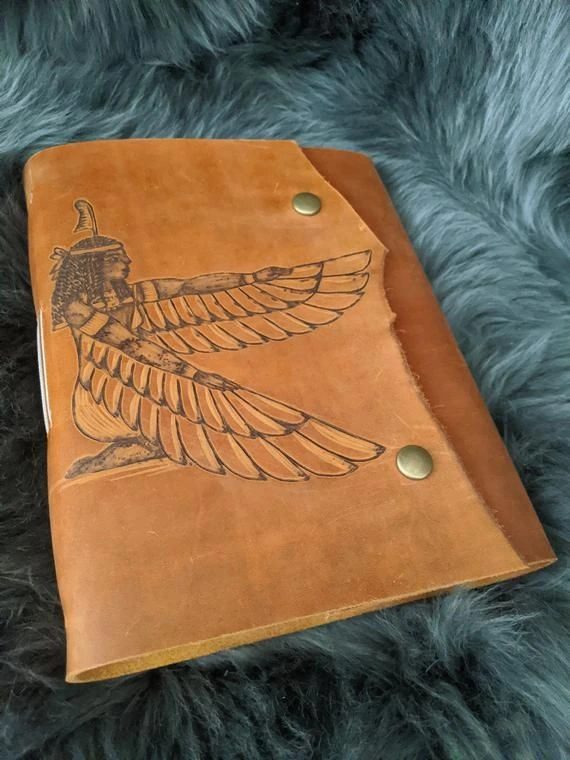
What it is. Hand-bound leather notebooks and photo albums, often embossed with a name or an ancient Egyptian motif. Historic bookbinding shops in Islamic Cairo are the best places to look.
Why it works. A journal is practical, light and customisable, and it doubles as a travel diary.
Copper, Brass Lanterns, Glass and Shisha
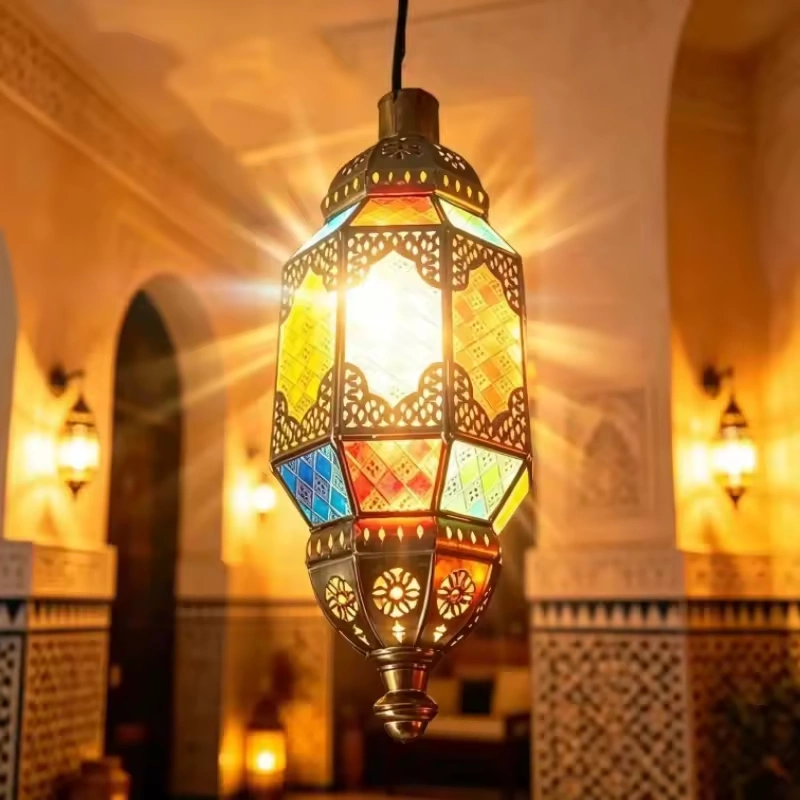
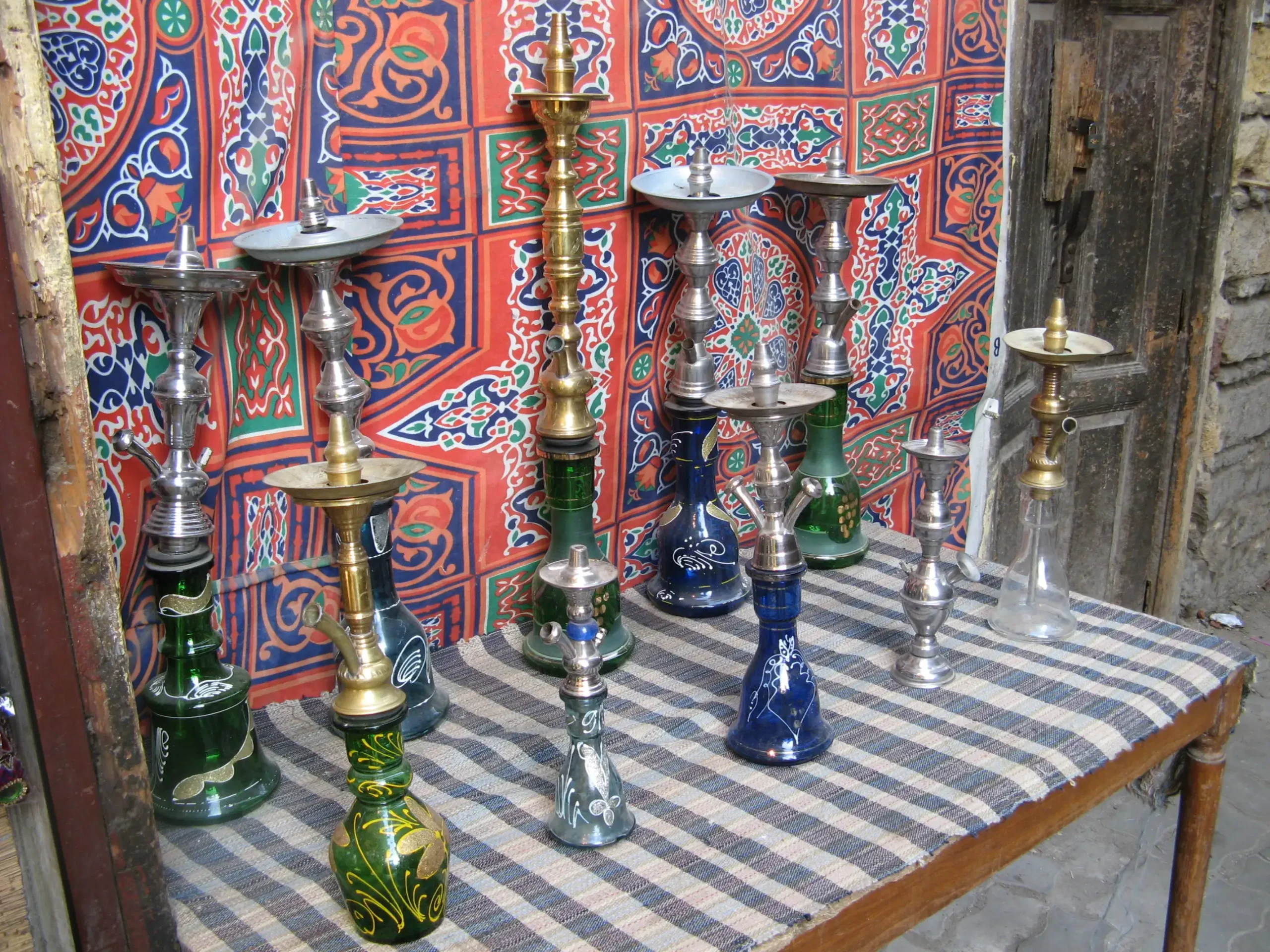
What they are. Pierced brass and copper lanterns, glass lamps and decorative hookahs are classic Cairo purchases, especially from Khan el-Khalili. The fanous, a lantern associated with Ramadan, is a popular gift.
Tips. Check for sturdy joins and clean workmanship, and pack carefully. Shisha pipes are sold as decorative objects, so confirm what you are buying and your home country’s rules on tobacco products.
Inlaid Boxes and Backgammon Sets
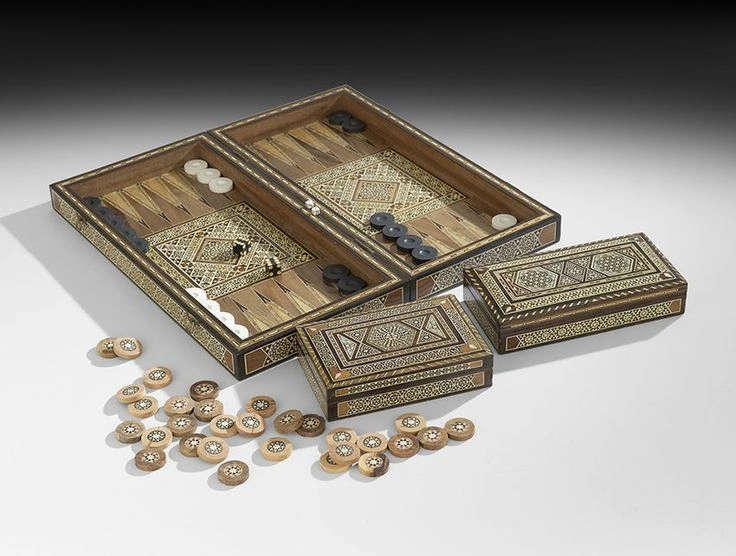
What they are. Wooden boxes, chess sets and backgammon (tawla) boards decorated with mother-of-pearl or bone inlay are traditional Egyptian crafts.
How to check. Genuine inlay is cut and set by hand, so patterns show slight variation. Perfectly identical, glossy plastic inlay is a sign of cheap imports. Wooden items may also be subject to biosecurity rules, so check before you buy.
Nubian and Aswan Handicrafts
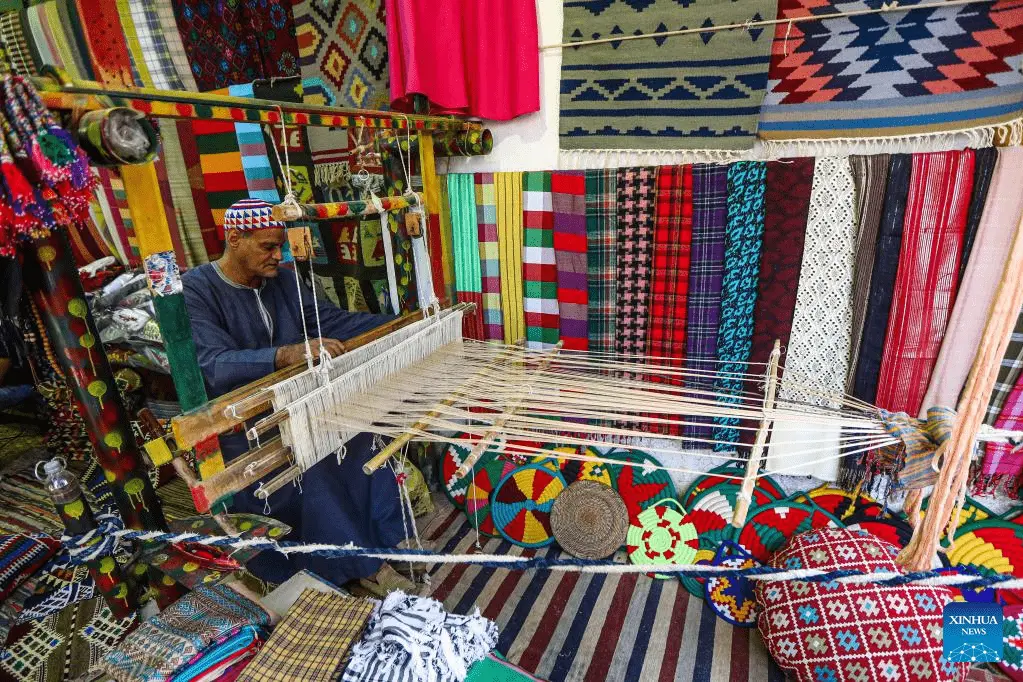
What they are. Aswan is known for colourful Nubian-style crafts, including beaded jewellery, woven baskets, wooden dolls in bright clothing and decorated stone bowls.
They are typically lower-priced and often sold by the makers themselves.
Tips. Visiting a Nubian village on the Nile is one of the best ways to buy directly from artisans.
Read More: Things to See & Do in Aswan
Cool Things to Buy in Cairo
Cairo offers the widest range of souvenirs, and many are traditional crafts you can watch being made.
- Khan el-Khalili Bazaar: Egypt’s most famous market is good for gold and silver, spices, perfumes, copperware, lanterns and papyrus. Go early, set a budget and expect to negotiate.
- Tentmakers Market, Moez Street: The best source of khayamiya cushions and wall hangings.
- Islamic Cairo bookshops: Leather journals and albums with custom embossing.
- Zamalek and Heliopolis: Fixed-price fair-trade shops with original designs inspired by ancient Egypt, with no haggling required.
Things to Buy in Luxor
Luxor is the best place to buy alabaster. Workshops in Gurna on the West Bank carve vases, bowls and replicas from local stone, and many let you watch the work.
The Luxor souk also offers spices, scarves, cotton galabeyas and perfume oils. After visiting Karnak or the Valley of the Kings, shop in the town rather than at stalls outside the gates, where prices tend to be higher.
Things to Buy in Aswan
Aswan is known for creative handicrafts with strong Nubian influence.
- Spices and karkadeh: The Aswan souk is one of Egypt’s best places for hibiscus, cumin and spice blends.
- Nubian crafts: Beaded jewellery, woven baskets and brightly dressed wooden dolls.
- Coloured alabaster bowls: Distinctive stone pieces made by local artisans.
- Scarves and light clothing: Colourful, inexpensive and easy to pack.
Souvenirs from Fayoum, Siwa and Upper Egypt
- Fayoum: Tunis Village is famous for handcrafted pottery.
- Siwa Oasis: Known for dates, olive products and traditional silver and embroidery work.
- Akhmim: A city with a long tradition of sturdy, patterned textiles.
Shopping Tips Before You Buy
Bargaining. Haggling is normal in traditional bazaars. Many travellers open at roughly 40 to 50 percent of the first price and settle somewhere in the middle. Stay friendly, walk away politely if the price doesn’t work, and only bargain for things you actually want.
Know the rules. It is illegal to export genuine ancient antiquities from Egypt, so buy only modern replicas and keep receipts for larger items. Skip coral, shells and ivory, and any product made from protected wildlife.
Check customs rules at home. Australia and the US have strict biosecurity rules. Spices, dates, seeds and wooden items can be restricted, so declare food, plant and wood products and check current rules with the Australian Department of Agriculture or US Customs and Border Protection.
Guide commissions. If you shop with a guide or driver, remember they may receive a commission from the shop. That isn’t always a problem, but it can raise prices.
Egypt Gifts: What to Buy for Whom
| For | Good options |
|---|---|
| Friends and colleagues (small and cheap) | Hibiscus tea, dukkah, papyrus bookmarks |
| Family at home | Cotton towels or sheets, khayamiya cushion covers |
| Someone who loves history | Cartouche pendant, alabaster replica |
| Kids | Wooden Nubian dolls, notebooks, ancient Egyptian-themed stickers |
| A home cook | Spice blends, Siwa dates |
| Yourself | Perfume oils, pottery, leather journal |
If luggage space is tight, choose spices, tea, scarves and jewellery over alabaster, pottery or lanterns.
What Not to Buy in Egypt
- Anything claiming to be a real antiquity.
- Plastic or resin items sold as alabaster or stone.
- Unverified “pure gold” without a stamp or weight.
- Cheap ancient Egyptian-themed trinkets imported from overseas. Check for a maker’s label or ask where it was made.
Plan Your Trip Around the Best Shopping
The best souvenirs often come from places you will already visit on a tour, such as the alabaster workshops near Luxor’s temples, Aswan’s spice souk and Cairo’s historic bazaars.
EgyptianTrips can help you build an itinerary that leaves time for shopping alongside the major sights.
Conclusion
The best souvenirs from Egypt are the traditional, handmade ones: papyrus, alabaster, khayamiya, pottery, spices and cotton.
Buy them in the right place, check authenticity, bargain politely and keep your luggage and customs rules in mind.
Whether you want cheap Egypt gifts or a single standout piece, a little preparation helps you bring home something genuine.
Ready to Make Memories?
EgyptianTrips can help you build an itinerary that leaves time for shopping alongside the major sights.
Free ConsultationFree Cancellation · Expert guides · Best-prices
FAQs
What is cheaper to buy in Egypt?
Spices, hibiscus tea, perfume oils, handmade crafts such as papyrus and alabaster, and gold or silver jewellery priced by weight are typically much cheaper than in Western stores. Local food, coffee and juice are also inexpensive.
What are the best souvenirs from Egypt?
Popular picks include papyrus art, cartouche jewellery, alabaster carvings, khayamiya appliqué, Egyptian cotton, spices, karkadeh and perfume oils.
Is it okay to haggle in Egypt?
Yes. Bargaining is expected in souks and bazaars. Supermarkets and fixed-price shops don’t negotiate.
How can I tell if papyrus is real?
Real papyrus is flexible and shows a crisscross fibre pattern against the light. Stiff, uniform sheets that crack are often banana-leaf imitations.
Can I take souvenirs from Egypt back to Australia or the US?
Most crafts, textiles and jewellery are fine. Food, plant and wood products may need to be declared or be restricted, and genuine antiquities cannot leave Egypt. Check current rules before you fly.